
Winter in Pakistan can be hard on plants, especially tender ones that come from warm places. Cold nights, thick fog and, in some areas, frost can damage leaves and stop growth. A few simple steps will help your plants get through to spring.
Know which plants are tender
Some plants cope with the cold, and some do not.
- Tender plants that dislike cold nights: croton, hibiscus, peace lily, money plant, palms such as the golden palm and table palm, and the fiddle-leaf fig.
- Tougher plants that cope better: yucca, rosemary, lavender, marigold, pansy and other winter flowers.
Even tough plants can suffer in a hard frost, so watch the forecast on cold nights.
Signs of cold damage
- Leaves that turn dark, black or look soaked and see-through.
- Drooping, limp leaves in the morning.
- Brown, crisp edges that appear a few days after a cold night.
Move plants to shelter at night
- Bring small pots indoors in the evening on the coldest nights, and put them back in the sun in the morning.
- Move balcony plants against a wall of the house, where it is warmer, or under a covered area.
- Keep plants away from cold windows and doors at night. Glass is much colder than the room.
Cover plants that cannot be moved
For large pots and garden plants, cover them in the evening with an old bed sheet, light cloth or hessian. Let the cloth reach the ground so that it holds the warmth of the soil. Take it off in the morning so that the plant gets light and air.
Avoid putting plastic directly on the leaves, because it can trap moisture and make cold damage worse. If you use plastic, keep it off the leaves with a few sticks as a frame.
Water less, and at the right time
In winter, plants use much less water. Overwatering is a bigger risk than underwatering. Water only when the soil is dry two to three centimetres down, and water in the morning, so that the soil does not stay wet and cold overnight. Our watering guide has more.
Do not feed in the cold
Most plants rest in winter. Stop fertiliser until spring, because feeding a resting plant can burn its roots.
Give mulch
A layer of dry leaves, straw or coco chips on top of the soil in outdoor pots protects the roots from cold and holds moisture.
Be careful with heaters
Plants do not like being close to a gas heater or an electric heater. The warm, dry air can brown the leaf tips and dry the soil fast. Keep them at least a metre away from heaters, and avoid cold drafts from doors as well.
During foggy weeks
Fog and smog cut the light. Move your plants closer to the brightest window, wipe the dust from the leaves, and water even less than usual. Our guide to plant care during smog season explains how.
After a cold spell
Do not rush to cut off damaged leaves. They help to protect the plant from more cold. Wait until the weather warms up in spring, and then trim away what is dead.
How cold is too cold?
- Below about 10 degrees, many tropical houseplants, such as the money plant, croton and peace lily, start to suffer.
- Around 5 degrees, tender plants can be damaged, especially if the cold lasts or there is a draught.
- Around 0 degrees and below (frost), the leaves of tender plants can freeze and turn black.
These are rough guides. It is usually colder outside than inside, and low spots in a garden are colder than higher ones.
Care for specific plants
- Money plant and pothos: keep indoors away from cold windows, and water sparingly.
- Aloe vera and other succulents: they hate wet, cold soil. Keep them dry, in bright light and above frost level.
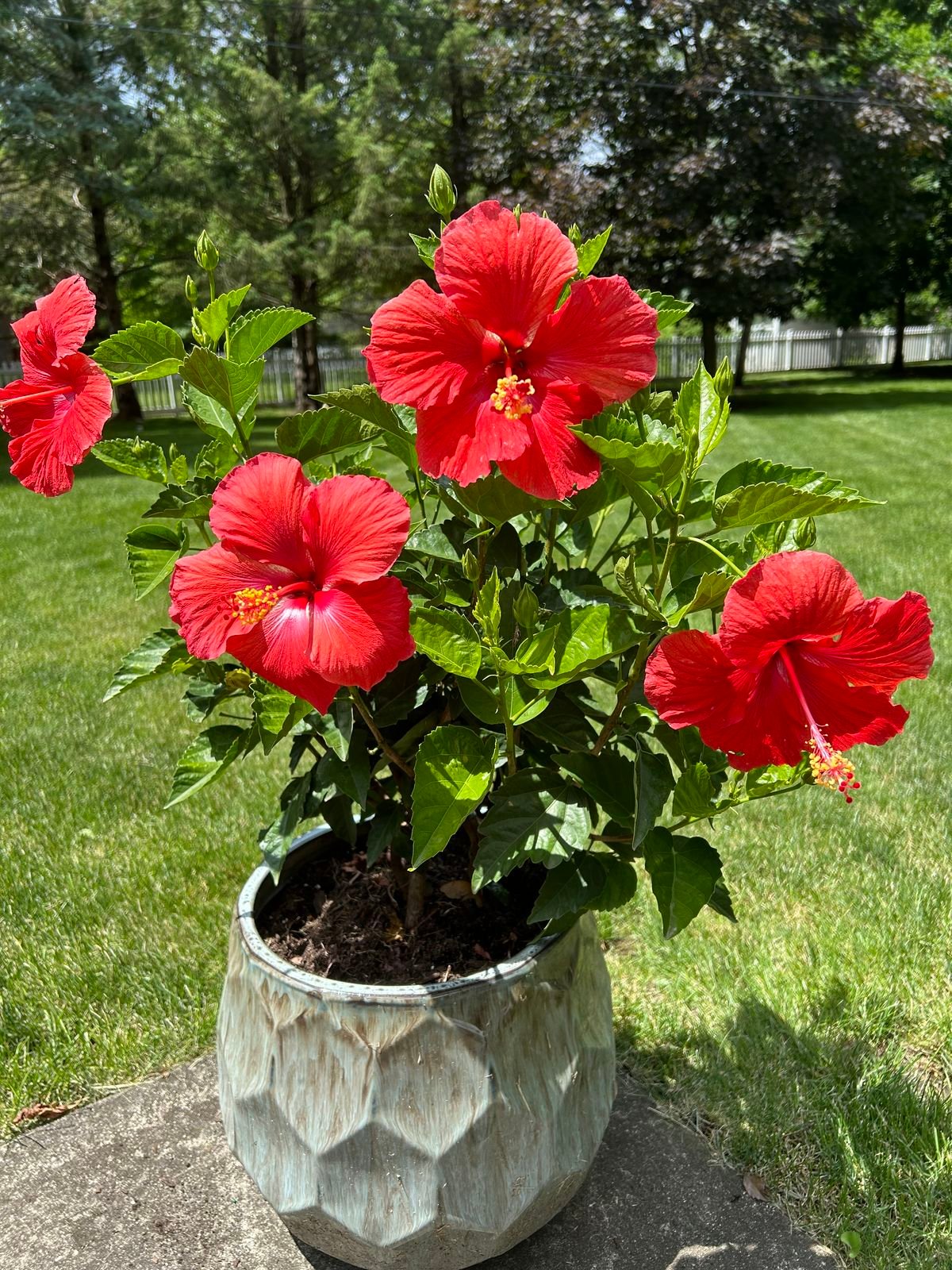
- Hibiscus: move pots to a sheltered spot, and expect some leaf drop. Cut it back only in spring.
- Palms: keep them out of cold draughts and out of the coldest corner of the balcony.
- Rosemary and mint: they usually cope with cool weather, but protect them in a hard frost.
- Winter flowers such as pansy and marigold: they are used to the cold, so cover them only in a hard frost.
Indoor plants in winter
- Keep plants near a bright window in the day, and move them a little away from the cold glass at night.
- Group plants together, which makes the air around them a little more humid.
- Wipe dust off the leaves, because winter light is low.
- Do not put plants directly over a heater, and keep them away from gas heaters.
Winter checklist
- Check the forecast for cold nights.
- Move tender pots indoors or against a warm wall.
- Water in the morning, and only when needed.
- Stop fertiliser until spring.
- Cover plants at night when frost is possible, and uncover them in the morning.
Questions people ask
Will one cold night kill my plants?
Not always. A cool night may only cause some leaf drop, but frost or several very cold nights can kill tender plants, so protect them on the coldest nights.
Should I cut off frost-damaged leaves right away?
No. Wait until spring, because damaged leaves protect the plant from more cold.
Can I leave plants on the balcony all winter?
Hardy plants usually can. Tender plants should be brought in or sheltered during cold spells.
You can see our range of indoor plants and palms and ficus in the shop. If you are not sure whether your plant can handle the cold, call or WhatsApp us on 03128018787.