
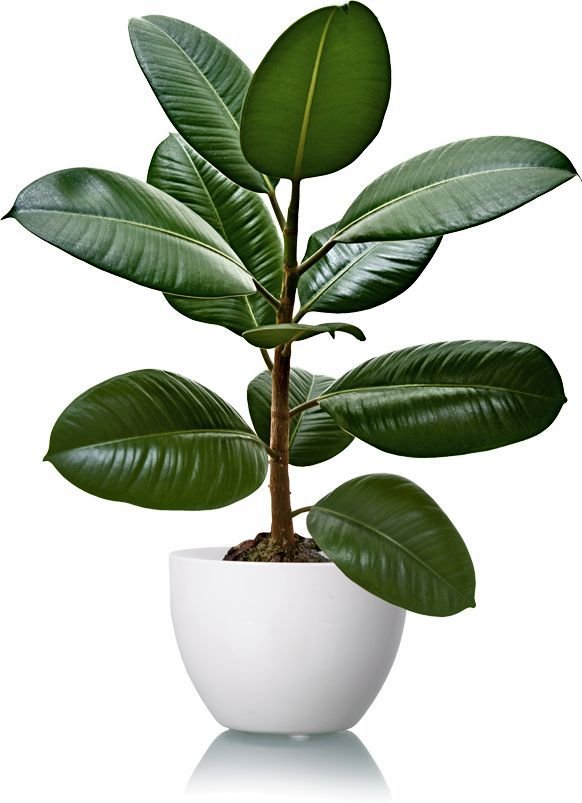
During smog season, the air in Lahore and across Punjab carries a lot of dust and fine particles, and much of it settles on surfaces, including your plant leaves. A dusty leaf takes in less light, so the plant grows more slowly and looks tired. A little regular cleaning keeps your plants healthy through the smoggy months.
Why dust matters for plants
Leaves use light to make food. A film of dust and soot on the surface blocks some of that light. It can also make leaves look dull and attract pests such as spider mites, which like dusty, dry conditions. In weeks when the sky is already grey, plants need every bit of light they can get.
How to clean leaves, step by step
- Use a soft, clean cloth, dampened with plain water at room temperature.
- Support the leaf from underneath with your hand, so it does not bend or tear.
- Wipe gently from the stem to the tip, and clean the underside too.
- Rinse the cloth often as it gets dirty.
- Do this every one to two weeks while the smog lasts.
Do not use leaf shine products, oil or milk. They can clog the leaf surface and make dust stick even more.
Different leaves need different care
- Large, smooth leaves, such as the rubber fig, fiddle-leaf fig and philodendron: wipe with a damp cloth.
- Thin, narrow leaves, such as the spider plant: hold the leaf gently and run a damp cloth along it, or rinse the whole plant under a gentle shower.
- Fuzzy or hairy leaves: do not wipe with a wet cloth. Use a soft, dry brush instead.
- Succulents and snake plants: wipe the flat surface with a damp cloth, and be careful not to press hard.
- Small, tight leaves: rinse the plant gently with a hand shower or a watering can with a fine rose.
Rinse outdoor and balcony plants
For plants on a balcony or terrace, give them a gentle rinse with water in the morning so that the leaves can dry in the day. Avoid doing it in the evening or on very cold days. Rain helps too. After a shower, plants usually look fresher.
Give your plants enough light
Short days and smog mean less light. If you can, move plants closer to a bright window, but do not put them against cold glass at night. Turn the pot a quarter turn every week so that all sides get light. Plants that grow tall and pale are asking for more light.
Adjust watering
In the cold, dull weeks, the soil dries slowly and plants grow slowly. Water less and check the soil with your finger before you water. Overwatering is the biggest risk in winter. Our guide on how often to water indoor plants explains how.
Do not feed in winter
Most plants rest in the cold months, so skip fertiliser until spring. Feeding a resting plant can burn its roots.
Watch for pests
Dust and dry indoor air can bring spider mites, which leave fine webs and tiny pale dots on leaves. If you see them, wipe the leaves with a damp cloth and rinse the plant. Repeat each week until they are gone.
A reminder about air quality
Plants cannot clean smoggy air, so please do not rely on them for protection. Read our guide on what houseplants can and cannot do in smog season.
A simple weekly routine
A short routine stops the jobs from piling up. Here is one you can follow:
- Day 1: check the soil with your finger, and water only the plants that need it.
- Day 2: wipe the leaves of your large plants.
- Day 3: rinse small plants in the sink or under a gentle shower.
- Day 4: turn each pot a quarter turn, and check the undersides of the leaves for pests.
- Day 5: remove dead leaves and empty the saucers.
Herbs and vegetables: wash before you eat
If you grow herbs or vegetables on a balcony, dust and soot settle on them just like on any other leaves. Wash coriander, mint and other leaves well under running water before you eat them. Do not eat leaves from a plant that has been sprayed with a pesticide until the waiting time on the label has passed.
Does your plant need extra light?
In dull, hazy weeks, even a plant next to a window may not get enough light. Signs include long, pale stems, small new leaves and leaves that lean towards the window. A simple LED plant light, placed about 20 to 30 centimetres above the plant for 8 to 10 hours a day, can help. Switch it off at night, because plants also need a dark period.
Questions people ask
Should I mist my plants to clean them?
Misting does not clean dust off properly and does not help most plants. Wipe or rinse the leaves instead. Misting can also encourage fungus on some plants.
Can I use soap to clean leaves?
Plain water is enough for dust. A very mild soap solution is sometimes used against pests, but test it on one leaf first and rinse it off afterwards.
How often should I clean the leaves?
Every one to two weeks in smog season, and less often when the air is clearer.
If your plants look unhappy this winter, call or WhatsApp us on 03128018787 and describe the problem.