
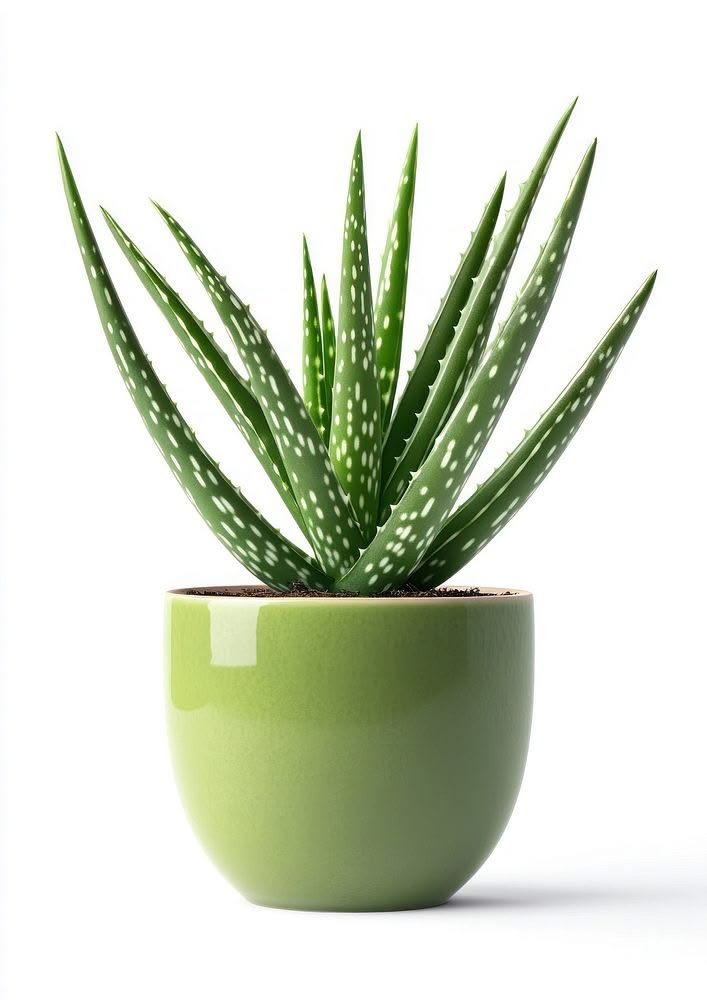
Aloe vera is one of the easiest succulents to grow. It stores water in thick, juicy leaves, so it forgives a missed watering far better than a watering that comes too often. With the right spot and a little restraint, an aloe can live for many years and even produce baby plants for you. This guide covers everything you need.
What aloe vera needs
Aloe comes from dry, sunny places, and its needs follow from that. It wants lots of light, very little water and soil that drains fast. If you remember only those three things, you will already do better than most beginners.
Light
Give your aloe vera bright light, ideally a few hours of direct sun in the morning. A sunny balcony, a bright window or a rooftop pot all work well. In the hottest months, which in much of Pakistan means roughly April to September, strong afternoon sun can scorch the leaves and turn them brown or reddish. If that happens, move the pot to a place with morning sun and bright shade in the afternoon.
If your aloe grows tall, thin and pale, or the leaves bend away from the pot, it is not getting enough light.
Water
The golden rule is to water deeply, then wait until the soil is completely dry before you water again.
- In summer, this usually means watering about once every one to two weeks, depending on the pot size and the heat.
- In winter, water much less, perhaps once every three to four weeks, because the plant is resting.
- Push a finger deep into the soil. If it is dry all the way down, it is time to water.
- Never leave water standing in the saucer.
Our guide on how often to water indoor plants explains the finger test in more detail.
Pot and soil
Choose a pot with a drainage hole. Clay or terracotta pots are a good choice, because they let the soil dry faster. Use a gritty mix. A simple recipe is one part potting mix to one part coarse sand or perlite. Heavy garden soil holds too much water and leads to rot.
Aloe has shallow roots and does not need a very large pot. Pick a pot that is only slightly wider than the plant. When you need to move it up, follow the steps in our guide on how to repot a plant.
Temperature
Aloe likes warm weather and grows best between about 15 and 30 degrees, although it handles heat well if it gets some shade in the afternoon. It does not like frost. In the coldest nights of winter, bring pots indoors or place them against a warm wall, and avoid watering in cold weather.
Common problems and fixes
- Soft, mushy or see-through leaves: too much water. Let the soil dry fully, and if the base is rotten, take the plant out, cut away the rotten parts and repot in dry, gritty soil.
- Thin, curling or wrinkled leaves: the plant is thirsty. Give it a deep drink.
- Brown or reddish leaves: too much direct sun or heat stress. Give it some afternoon shade.
- Tall, floppy plant that leans: not enough light. Move it to a brighter place.
- White cottony spots: mealybugs. Wipe them off with a cotton bud dipped in a little rubbing alcohol.
Baby plants (pups)
A healthy aloe often grows small plants, called pups, around its base. When a pup has a few leaves of its own and is a few centimetres tall, you can separate it. Tip the pot out, gently pull or cut the pup away with some roots attached, and plant it in its own small pot of gritty soil. Wait a week before the first watering so that any cuts can dry.
Aloe and pets
Aloe vera can upset the stomach of cats and dogs if they chew it. Keep the pot out of reach of pets and small children. Please read our guide to pet-safe and child-safe plants for more.
A note about health claims
We sell aloe vera as a houseplant for decoration and gardening. Nothing in this guide is medical advice, and we do not claim that it can treat any condition. See our Disclaimer for details.
If you would like to bring an aloe home, you can find it in our indoor plants. If you have questions about your plant, call or WhatsApp us on 03128018787.