
If you have cats, dogs or small children, it is worth thinking about which plants you bring home. Many popular houseplants can cause an upset stomach or irritate the mouth, skin or eyes if they are chewed. This guide gives general information. It is not medical or veterinary advice.
Plants that are generally considered safer
Organisations such as the ASPCA publish lists of plants that are not known to be toxic to cats and dogs. Plants from our shop that are usually on those lists include:
Even a safe plant can cause a mild stomach upset if a pet eats a lot of it, so it is still best to discourage chewing.
Plants to keep out of reach
These popular plants can cause problems if chewed, and are best kept away from pets and small children:
- Peace lily
- ZZ plant
- Snake plant
- Money plant and pothos
- Philodendron and syngonium
- Aglaonema
- Lucky bamboo
- Euphorbia, whose milky sap can irritate skin and eyes
- Amaryllis and string of pearls
How to place plants safely
- Hang plants from hooks or put them on high shelves that pets cannot reach.
- Put tall, heavy plants where a child or a pet cannot pull them over.
- Offer pets their own pet grass to chew, so they leave your plants alone.
- Keep fallen leaves and flowers swept up.
- Wash your hands after you handle plants with irritating sap.
If a plant has been chewed
- Remove any plant pieces from the mouth and rinse the mouth gently with water.
- Keep the name of the plant, and a leaf if possible, to show a professional.
- Contact a doctor straight away for a child, or a vet straight away for a pet, especially if there is vomiting, drooling, swelling, difficulty breathing or a skin or eye reaction.
Signs to watch for
If a pet or child has chewed a plant, watch for:
- Drooling, pawing at the mouth or swollen lips.
- Vomiting or diarrhoea.
- Tiredness or lack of energy.
- Skin or eye irritation.
- Trouble breathing or swallowing.
If you see any of these, contact a doctor or a vet immediately and do not wait.
Keep a record of your plants
Keep the name of each plant, or the plant tag, and take a photo of the plant. If something happens, you can tell the doctor or vet exactly what was eaten.
Alternatives if you have pets
- Love the look of the snake plant? Try the broadleaf lady palm, which also has an upright shape.
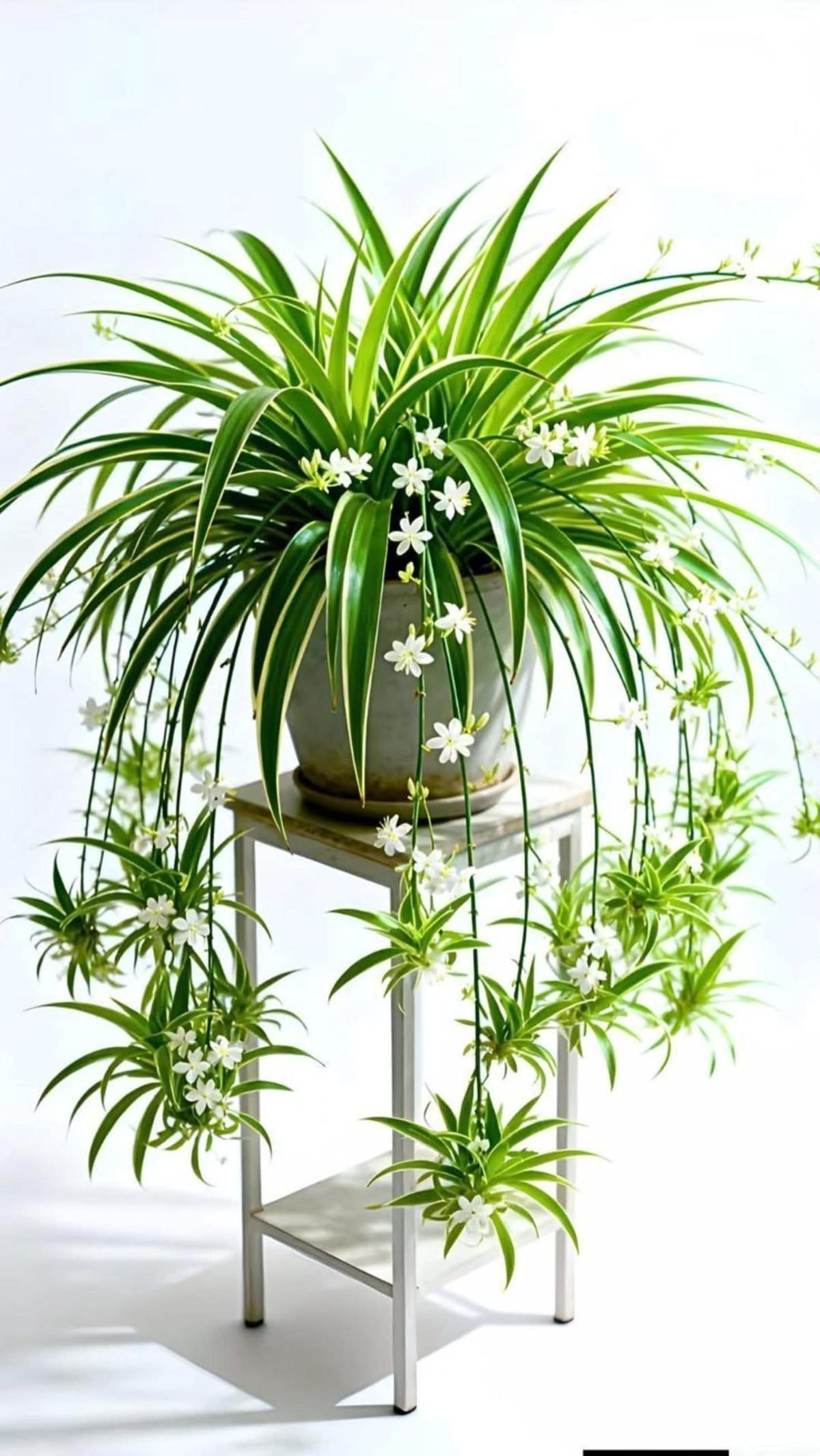
- Love a trailing plant? Try the spider plant in a hanging pot.
- Want a leafy, soft look? Try the table palm or the golden palm.
Still, even safer plants can upset a stomach if a pet eats a lot, so discourage chewing.
Handling plants safely
- Wear gloves when you cut or repot plants with irritating sap, such as euphorbia.
- Wash your hands after you handle plants.
- Keep clippings and fallen leaves away from pets and children.
Talking to children
Teach children that plants are for looking and watering, and not for eating. Let them help with watering, so that they enjoy plants without tasting them.
Questions people ask
Are succulents safe for pets?
Not all of them. Aloe vera and some other succulents can upset the stomach, so check each plant.
Are herbs safe?
Some are, such as rosemary, but others, such as mint and lavender, can upset a pet's stomach if eaten in quantity. Check each herb.
Is putting a plant on a shelf enough?
Not for cats, which climb. Use hanging pots, or keep the room door closed.
Please also read our Disclaimer. If you are choosing plants for a home with pets or children, call or WhatsApp us on 03128018787 and tell us what you have at home. We will help you choose, but always check the exact plant name with a trusted source or a vet before you buy. You can start with our list of easy indoor plants for beginners and then check each plant against this guide.