
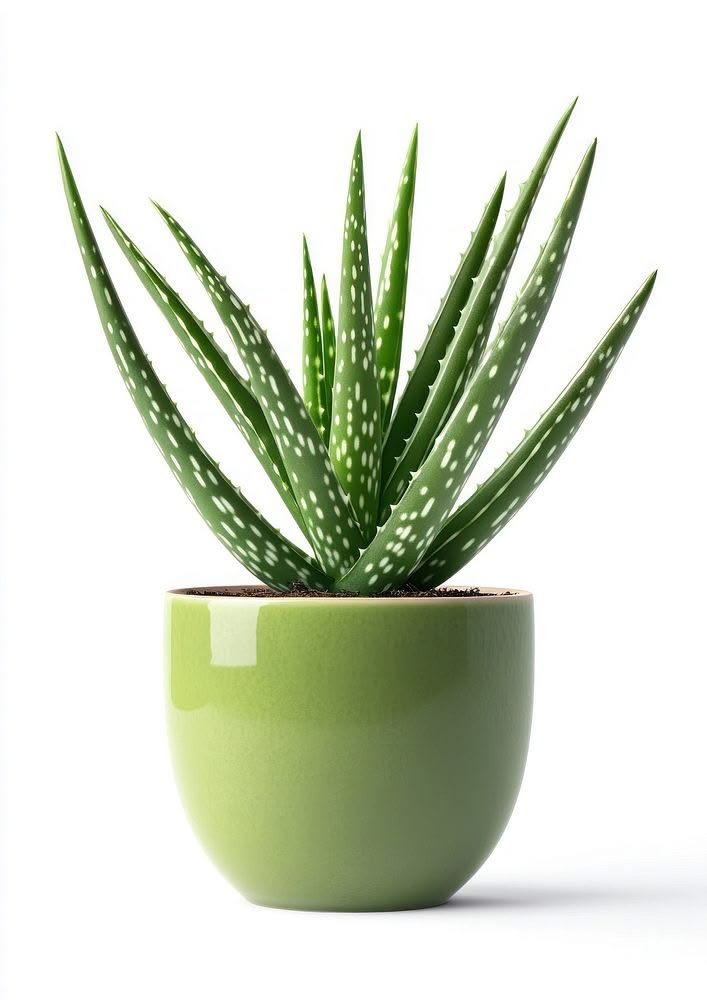
Description
Aloe Vera Plant: Benefits, Care Guide, Watering, Sunlight and Growing Tips
Introduction
Aloe vera is a popular succulent known for its thick, fleshy green leaves and easy-care nature. Native to the Arabian Peninsula, this drought-tolerant plant is grown in homes and gardens around the world. Its leaves contain a clear gel that is commonly used in skincare products and other personal-care preparations.
Aloe vera is an excellent choice for beginners because it requires relatively little water and can grow well in containers. With sufficient light, well-draining soil, and careful watering, it can remain healthy for many years.
Although aloe vera is often grown for its traditional uses, it is important to distinguish between established uses in topical products and unproven health claims. Eating aloe latex or using aloe products improperly can cause harmful side effects.
Key Facts About Aloe Vera
| Feature | Details |
|---|---|
| Botanical name | Aloe vera |
| Common names | Aloe, medicinal aloe |
| Plant family | Asphodelaceae |
| Plant type | Perennial succulent |
| Mature size | Usually 30–60 cm tall indoors |
| Sunlight | Bright, indirect light; some gentle direct sun |
| Watering | Only when the soil has dried out |
| Soil | Sandy, well-draining succulent mix |
| Ideal temperature | Approximately 18–29°C (65–85°F) |
| Growth rate | Slow to moderate |
| Propagation | Offsets or pups |
| Pet safety | Can be toxic to cats and dogs if ingested |
Benefits and Uses of Aloe Vera
Aloe vera has sculptural, pointed leaves that make it a decorative addition to windowsills, desks, balconies, and patios in suitable climates.
2. Low-maintenance care
Because aloe stores water in its leaves, it tolerates dry conditions better than many common houseplants. This makes it a useful choice for people who prefer plants that do not need frequent watering.
3. Gel used in skincare products
The clear inner gel is used in many commercial moisturizers and soothing skin products. However, topical aloe can still cause irritation or allergic reactions in some people. It should not be assumed to treat every skin condition or replace medical care.
4. Suitable for small spaces
Aloe vera generally grows well in a pot and does not need a large garden. As it matures, it may produce small offsets around the base that can be separated and grown as new plants.
5. Water-wise gardening
Its ability to store water makes aloe vera suitable for drought-conscious gardening, provided it is planted in soil that drains freely.
Important: Aloe vera is not a substitute for medical treatment. The yellow latex beneath the leaf skin is different from the clear inner gel and can have strong laxative effects. Do not consume aloe latex, and be cautious with homemade aloe preparations.
Complete Aloe Vera Care Guide
1. Sunlight requirements
Aloe vera grows best in bright, indirect sunlight. An east-facing window is often a good choice because it provides gentle morning sunshine.
-
Indoors: Place it near a bright window.
-
Outdoors: Choose a sunny or partially shaded spot and introduce it to direct sunlight gradually.
-
Avoid: Sudden exposure to strong midday or afternoon sun, which can scorch the leaves.
If the leaves become pale, stretched, or unusually thin, the plant may need more light.
2. How often should you water Aloe Vera?
Aloe vera stores water in its leaves, so overwatering is one of the most common causes of plant damage.
-
Spring and summer: Check the soil every 1–2 weeks and water when it has dried out completely.
-
Autumn and winter: Water less frequently, often every 3–4 weeks or longer, depending on indoor temperature and light.
-
Best time: Morning is convenient, but soil dryness matters much more than the time of day.
Water thoroughly until excess water drains from the bottom of the pot, then empty the saucer. Do not water according to a fixed calendar if the soil is still damp.
3. Ideal temperature and humidity
Aloe vera prefers warm conditions, approximately 18–29°C (65–85°F). It can tolerate ordinary indoor humidity and generally does not need misting.
Protect the plant from frost, cold drafts, and prolonged exposure to temperatures below about 10°C (50°F). Bring outdoor pots inside when cold weather threatens.
4. Best soil for Aloe Vera
Use a commercial cactus and succulent potting mix. If your existing mix retains too much water, improve drainage with suitable mineral material such as pumice or perlite.
The soil should drain quickly rather than remain wet for days. Heavy garden soil is generally unsuitable for a container-grown aloe.
5. Choosing the right pot
Select a container only slightly larger than the root system. An oversized pot holds more soil and may remain wet longer than the plant needs.
6. Fertilizer requirements
Aloe vera is a light feeder and does not require frequent fertilization.
-
Apply a balanced liquid fertilizer formulated for succulents, diluted according to its label.
-
Feed sparingly during active growth in spring or summer, if needed.
-
Avoid fertilizing a dormant, stressed, or recently repotted plant.
-
Never use excessive fertilizer, which can damage roots.
7. Pruning and regular maintenance
Aloe vera requires little pruning.
-
Remove dead or badly damaged leaves with clean, sharp scissors or a knife.
-
Wipe dust from the leaves using a soft, slightly damp cloth.
-
Inspect occasionally for mealybugs and scale insects.
-
Rotate the pot periodically if the plant leans toward the light.
-
Repot when the plant becomes crowded or roots fill the container.
Avoid cutting healthy leaves unnecessarily. Damaged leaves do not grow back from the cut, although the plant can produce new leaves from its center.
How to Propagate Aloe Vera
-
Wait until a pup is reasonably developed and has some roots of its own, if possible.
-
Remove the mother plant from its pot carefully.
-
Separate the pup using clean tools, avoiding unnecessary root damage.
-
Let any fresh wounds dry and form a protective surface before planting.
-
Place it in a small pot with well-draining succulent mix.
-
Provide bright, indirect light and water cautiously while it establishes.
Growing aloe from seed is also possible, but it is generally slower and less convenient for home gardeners.
Common Aloe Vera Problems and Solutions
| Problem | Possible cause | Solution |
|---|---|---|
| Yellow leaves | Overwatering or poor drainage | Allow the soil to dry and check the roots. |
| Soft, mushy leaves | Excess moisture or root rot | Remove rotted material and repot in fresh, dry-draining mix if necessary. |
| Brown leaf tips | Water stress, salt buildup, or sun damage | Review watering, flush excess salts when appropriate, and adjust light. |
| Thin or stretched leaves | Insufficient light | Move the plant to a brighter location gradually. |
| Reddish or brown patches | Intense sunlight or environmental stress | Reduce harsh exposure and check growing conditions. |
| Mealybugs or scale | Pest infestation | Isolate the plant and treat with a suitable labeled product. |
Safety Precautions
-
Pets: Aloe vera can be toxic to cats and dogs if eaten. Keep the plant out of their reach.
-
People: The clear inner gel and the yellow latex beneath the leaf skin are different materials. Aloe latex can cause abdominal cramps, diarrhea, and other harmful effects if swallowed.
-
Skin use: Test topical products on a small area first, and stop using them if irritation occurs.
-
Handling: Use care around the pointed leaf tips and clean cutting tools after pruning.
-
Children: Keep cut leaves and plant material away from young children who may chew them.
Expert Tips for Healthy Aloe Vera
-
Let the soil dry completely between waterings.
-
Always use a pot with drainage holes.
-
Provide plenty of light, but acclimate the plant to stronger sunshine slowly.
-
Avoid misting and unnecessary watering.
-
Check the base of the plant for softness, which can indicate excess moisture.
-
Repot into fresh succulent mix if the soil becomes compacted or drains poorly.
Is Aloe Vera a Good Plant for Beginners?
Yes. Aloe vera is a good choice for beginners, busy households, and people who want a low-maintenance indoor plant. It is especially suitable for bright rooms and sunny windowsills. However, it is not a good choice for homes where pets may chew on plants unless it can be kept safely out of reach.
With appropriate light, careful watering, and well-draining soil, aloe vera can thrive for years and produce new offsets.

Reviews
There are no reviews yet.