
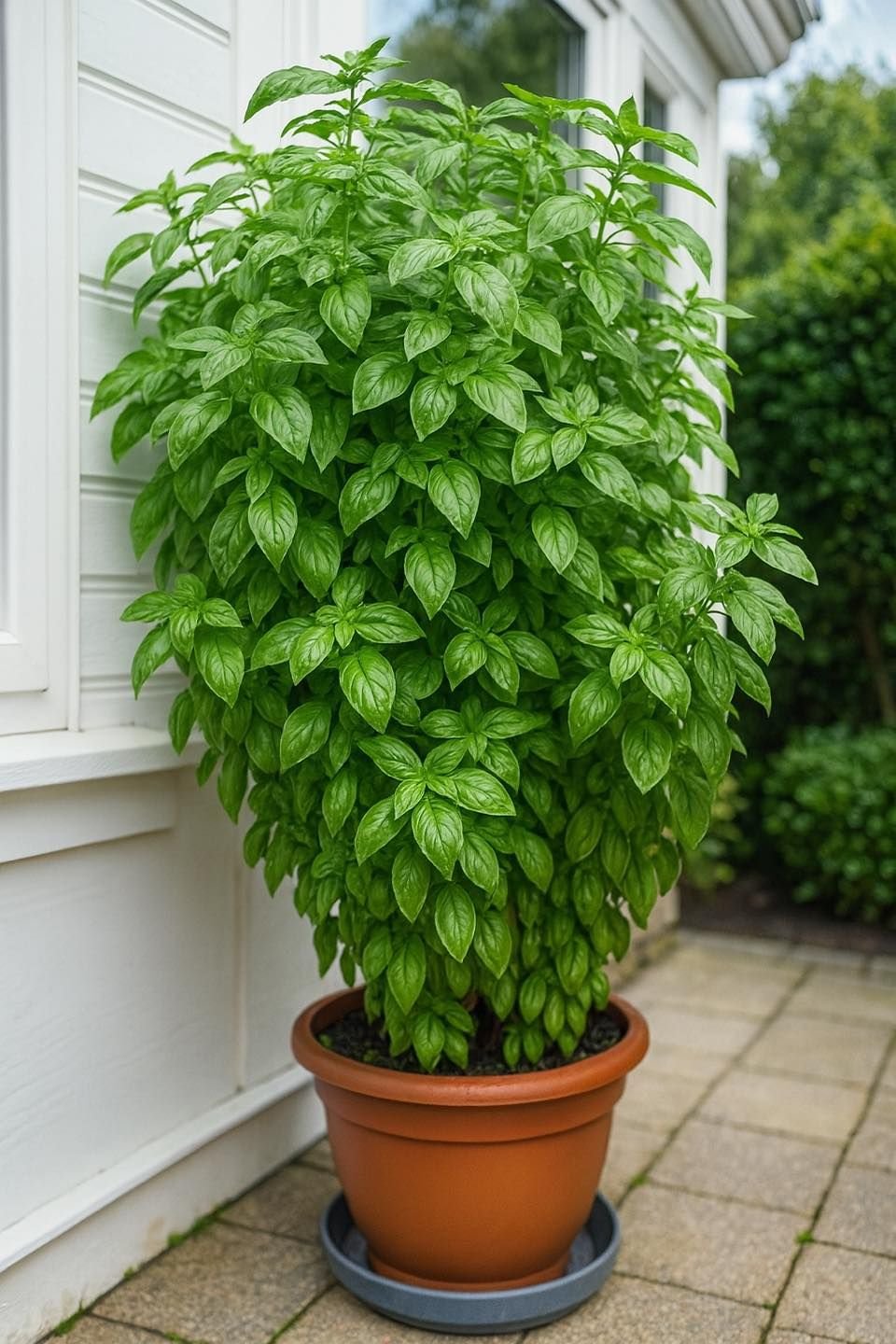
Description
Basil Herb: Benefits, Care Guide, Watering, Sunlight and Growing Tips
Introduction
Basil is a popular aromatic herb valued for its fresh fragrance, flavorful leaves, and versatility in cooking. It belongs to the mint family, Lamiaceae, and is widely grown in home gardens, kitchen windowsills, balconies, and containers.
Sweet basil is especially popular in Italian-inspired dishes, including pasta, pizza, pesto, salads, and sauces. Other varieties, such as Thai basil and lemon basil, offer different aromas and flavors.
Basil grows relatively quickly in warm weather and can be a rewarding plant for beginner gardeners. With sufficient sunlight, regular watering, fertile soil, and occasional pruning, you can harvest fresh leaves throughout the growing season.
Key Facts About Basil
| Feature | Details |
|---|---|
| Botanical name | Ocimum basilicum |
| Common name | Basil or sweet basil |
| Plant family | Lamiaceae |
| Plant type | Aromatic annual herb in most climates |
| Mature height | Usually 30–60 cm (12–24 inches) |
| Sunlight | Around 6–8 hours of sunlight daily |
| Watering | When the top layer of soil begins to dry |
| Soil | Fertile, well-draining potting mix |
| Ideal temperature | Approximately 18–30°C (65–86°F) |
| Growth rate | Fast in warm, suitable conditions |
| Propagation | Seeds or stem cuttings |
| Common uses | Cooking, garnishes, herb gardens |
Benefits and Uses of Basil
1. Adds flavor to food
Fresh basil provides a distinctive aroma and taste that complements tomatoes, pasta, soups, salads, vegetables, and many sauces. It can be used fresh or added near the end of cooking to preserve its fragrance.
2. Contains useful plant compounds
Basil leaves contain aromatic oils and naturally occurring plant compounds, as well as small amounts of vitamins and minerals. The nutritional contribution depends on the amount eaten.
3. Easy to grow at home
Basil can be grown in garden beds, pots, and suitable indoor spaces. Having a plant nearby makes it convenient to harvest a few fresh leaves whenever you need them.
4. Supports a kitchen herb garden
Basil grows well alongside other culinary herbs when each plant receives suitable light, water, and space. It is a practical choice for gardeners who want to grow some of their own cooking ingredients.
5. Attractive and fragrant foliage
Its bright green leaves and pleasant scent make basil an appealing addition to patios, balconies, and sunny kitchen windowsills.
Important: Although basil has a history of traditional use and contains beneficial plant compounds, evidence does not establish that ordinary basil consumption prevents or cures specific diseases. It should not replace prescribed medication or professional medical advice.
Complete Basil Herb Care Guide
1. Sunlight requirements
Basil grows best with plenty of sunlight and warmth.
-
Indoors: Place it near a bright, sunny window.
-
Outdoors: Aim for approximately 6–8 hours of sunlight daily.
-
In very hot climates: Provide some afternoon shade if the leaves wilt or show signs of scorching.
-
Signs of insufficient light: Long, weak stems, widely spaced leaves, and slow growth.
If you move basil from indoors to direct outdoor sunlight, introduce it gradually to avoid leaf damage.
2. How often should you water Basil?
Basil prefers evenly moist soil, unlike drought-tolerant succulents. However, constantly soggy soil can damage its roots.
-
Spring and summer: Check the soil daily during hot weather and water when the top 2–3 cm (about 1 inch) feels dry.
-
Cooler months: Water less often as growth slows and soil takes longer to dry.
-
Best time: Morning is generally convenient because the plant can absorb water before the hottest part of the day.
Water around the soil rather than repeatedly soaking the leaves. Ensure excess water drains freely, and never leave the pot standing in a full saucer.
3. Ideal temperature and humidity
Basil prefers warm conditions, ideally around 18–30°C (65–86°F).
-
Protect it from frost and cold winds.
-
Avoid placing it beside air-conditioning vents or cold windows.
-
Moderate humidity is usually sufficient, although extremely dry air can stress plants.
-
If temperatures become very high, keep the soil consistently moist without waterlogging it.
Basil is generally grown as an annual herb, especially in climates with cold winters.
4. Best soil for Basil
Use a fertile, well-draining potting mix that retains some moisture without becoming waterlogged.
A good mix should contain:
-
Quality potting soil or compost.
-
Organic matter to support healthy growth.
-
Perlite or another suitable drainage material if the mix is too dense.
Avoid heavy, compacted soil that prevents air from reaching the roots.
5. Choosing the right pot
Choose a pot with drainage holes and enough room for the roots to develop. A container around 20–30 cm (8–12 inches) wide is a useful starting point for one established basil plant.
If you grow several plants together, provide enough space for airflow and spreading foliage. A pot that is too crowded can encourage disease and reduce healthy growth.
6. Fertilizer requirements
Basil benefits from moderate feeding during active growth.
-
Use a balanced liquid fertilizer according to the product label.
-
Feed during spring and summer when the plant is actively growing.
-
Reduce feeding when growth slows.
-
Avoid excessive nitrogen, which can encourage lots of soft foliage and may reduce flavor intensity.
If your potting mix already contains fertilizer or compost, you may need less additional feeding.
7. Pruning and regular maintenance
Regular harvesting and pruning help basil develop a bushier shape.
-
Pinch or cut the stem just above a pair of healthy leaves.
-
Harvest the top leaves and growing tips regularly.
-
Remove yellow or damaged leaves.
-
Keep enough leaves on the plant so it can continue growing.
-
Remove flower buds if your goal is to encourage continued leaf production.
-
Maintain good airflow around the plant.
Basil flowers are useful to pollinators, so you can allow some flowers to develop if seed production or attracting bees is your goal.
How to Propagate Basil
Propagation from seeds
-
Fill a small container with moist seed-starting mix.
-
Sow the seeds according to the packet instructions.
-
Keep the mix lightly moist and warm.
-
Provide bright light once the seedlings emerge.
-
Transplant the seedlings when they are large enough to handle safely.
Propagation from stem cuttings
-
Cut a healthy, non-flowering stem approximately 10–15 cm (4–6 inches) long.
-
Remove the leaves from the lower part of the stem.
-
Place the lower stem in clean water, keeping the leaves above the waterline.
-
Position it in bright, indirect light.
-
Change the water regularly.
-
Once a healthy root system develops, plant the cutting in potting mix and keep the soil lightly moist while it establishes.
Common Basil Problems and Solutions
| Problem | Possible cause | Solution |
|---|---|---|
| Yellow leaves | Overwatering, poor drainage, or nutrient imbalance | Check soil moisture and drainage before adding fertilizer. |
| Wilting leaves | Dry soil, heat stress, or damaged roots | Check the soil and correct watering; provide shade during extreme heat. |
| Brown leaf edges | Water stress, fertilizer buildup, or heat | Review watering and reduce excess fertilizer. |
| Long, weak stems | Insufficient sunlight | Move the plant to a brighter location. |
| Holes in leaves | Caterpillars, beetles, or slugs | Inspect foliage and remove pests safely. |
| Powdery or dark leaf spots | Possible fungal or bacterial disease | Improve airflow, avoid prolonged leaf wetness, and remove affected leaves. |
| Slow growth | Cold temperatures, limited light, or root crowding | Improve warmth and light and inspect the roots if needed. |
Safety Precautions
-
Food use: Wash basil leaves thoroughly before eating.
-
Allergies: Some people may be sensitive to basil or its aromatic compounds. Stop using it if irritation or an allergic reaction occurs.
-
Pets: Culinary basil (Ocimum basilicum) is generally considered non-toxic to cats and dogs, but large quantities of any unfamiliar plant may upset an animal’s stomach. Confirm the species if you have a different basil variety.
-
Pest treatments: Only use products suitable for edible herbs, and follow the label’s instructions before harvesting.
-
Essential oils: Concentrated basil essential oil is not equivalent to fresh culinary leaves. Do not ingest it or apply undiluted essential oils to the skin.
Expert Tips for Healthy Basil
-
Give the plant plenty of sunlight and warmth.
-
Check soil moisture frequently during hot weather.
-
Harvest the growing tips regularly to encourage branching.
-
Avoid overcrowding plants in containers.
-
Remove flower buds if you want to prioritize leaf production.
-
Harvest in the morning after the dew has dried for convenient use in the kitchen.
-
Grow new plants from seed or cuttings to maintain a regular supply of fresh leaves.
Is Basil a Good Plant for Beginners?
Yes. Basil is an excellent choice for beginners who want a useful and attractive herb for the kitchen or garden. It grows quickly in warm weather, responds well to harvesting, and can be grown in containers without a large garden.
The most important things to remember are to provide sufficient sunlight, keep the soil lightly moist without waterlogging it, and protect the plant from cold temperatures.
Reviews
There are no reviews yet.