
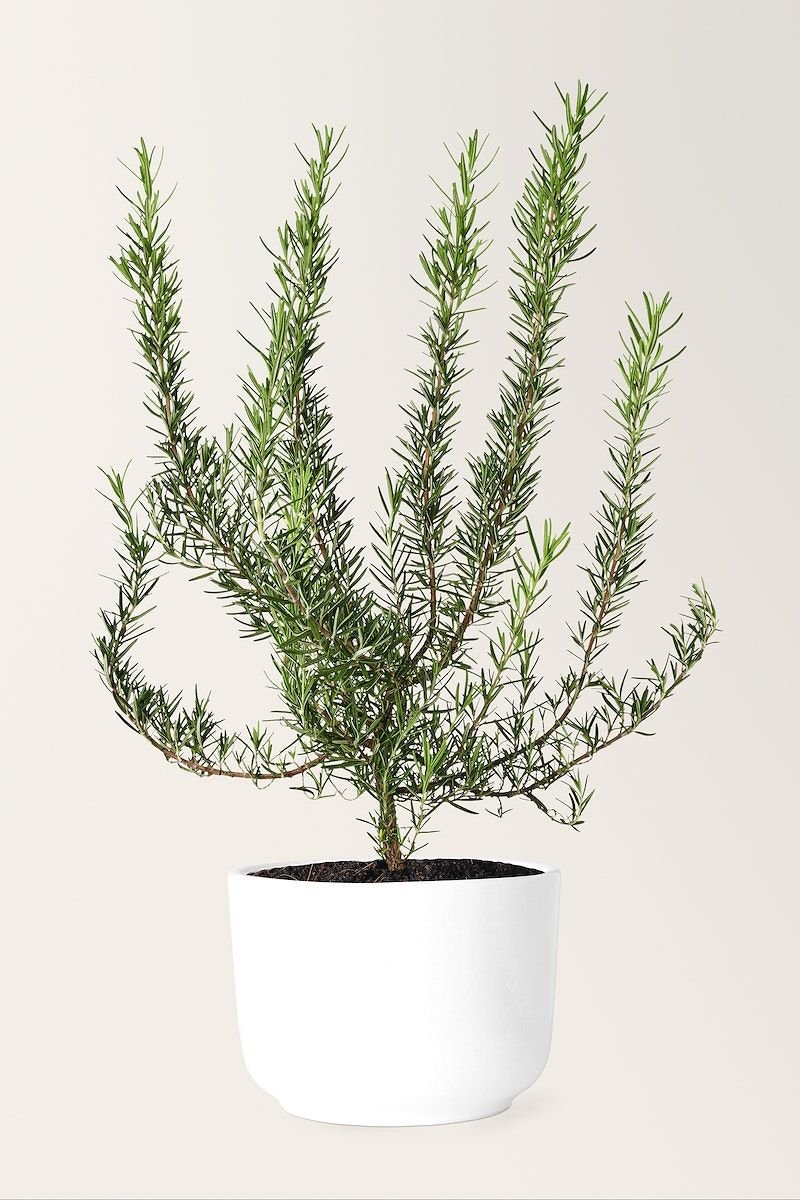
A few herb pots on a sunny windowsill or balcony give you fresh leaves for chai, cooking and salads, and they smell wonderful. Here is how to grow four popular herbs and keep them healthy.
Start with sunlight
Most herbs want as much light as you can give them, ideally four to six hours of direct sun a day. A window or balcony facing south or east is a good place. If a herb becomes tall, pale and thin, it is asking for more light.
Choose the right pot
- Use pots with drainage holes. Herbs hate sitting in water.
- A pot about 15 to 20 centimetres wide suits one herb.
- Use light, well-drained potting soil rather than heavy garden soil.
Mint
Mint grows quickly and likes sun to partial shade. Keep the soil moist, especially in hot weather. Mint spreads fast, so give it a pot of its own. Pick the tips often, which makes the plant bushier. It is lovely in chai, drinks, chutney and salads.
Rosemary
Rosemary is a woody herb that wants full sun and soil that dries between waterings. Too much water is its biggest enemy. Cut a few stems at a time for roast dishes, and never take more than a third of the plant at once.
Lavender
Lavender has silvery leaves and fragrant purple flowers. Give it full sun and a pot with good drainage, and water sparingly, letting the soil dry between waterings. It is as pretty as it is fragrant, and it looks lovely on a balcony.
Lemongrass
Lemongrass is a tall, fragrant grass used in tea and cooking. It likes full sun and regular water in hot weather. Give it a large pot or plant it in a garden bed, because it grows into a big clump.
Harvesting tips
- Pick in the morning, when the leaves are full of flavour.
- Cut just above a pair of leaves so the plant branches out.
- Never strip a plant bare. Leave at least half of the leaves.
- Pinch off flower buds on mint to keep leaves coming.
Water by herb type
Herbs fall into two groups. Mint and lemongrass like regular moisture. Rosemary and lavender like to be on the dry side. Do not put all four on the same watering routine, and check the soil with your finger before you water.
Basil and coriander
Two more kitchen favourites need a little extra care.
- Basil loves warm weather and sun. Water it regularly and pinch off the flower buds to keep the leaves coming. It grows best from spring to early autumn.
- Coriander (dhania) is a cool-season herb. Sow it from October to March. In hot weather it quickly runs to seed.
A herb calendar for Pakistan
- Cool months (October to March): coriander and mint do well. Rosemary and lavender also grow well in this period.
- Warm months (March to September): basil and lemongrass are at their best.
- Monsoon (July to September): humid air and heavy rain make rosemary and lavender prone to root rot, so check the drainage and water less.
Common problems
- Tall, thin plants with few leaves: not enough light. Move them to a sunnier place.
- Yellow leaves: usually too much water or poor drainage.
- Tiny insects on new growth (aphids) or tiny white flies: rinse the plant with water and wipe the leaves.
- White powder on leaves: powdery mildew. Remove the worst leaves and improve air flow.
Make new herb plants
- Mint: cut a stem and put it in a glass of water. Roots grow in about one to two weeks.
- Rosemary: take a 10 centimetre cutting from a green, non-woody stem, remove the lower leaves and plant it in moist sandy soil.
- Lemongrass: divide a clump and plant the pieces in their own pots.
Drying and storing herbs
- Mint and rosemary: tie small bunches and hang them in a shaded, airy place until dry.
- Coriander: chop the leaves and freeze them in ice cube trays with a little water.
Questions people ask
Can I grow herbs indoors?
Only in a very bright window. Without enough light, herbs grow thin and weak.
Can different herbs share one pot?
Only herbs with similar needs. Keep mint in its own pot, and do not mix herbs that like moisture with those that like dry soil.
How often should I feed herbs?
A diluted liquid fertiliser about once a month is plenty. Too much feeding reduces flavour.
These herbs are grown here for gardening and cooking. Nothing in this guide is medical advice, and you can read our Disclaimer for details. You can browse all of our herb plants in the shop, or call or WhatsApp us on 03128018787 if you want help choosing.